Published : 2026-07-21
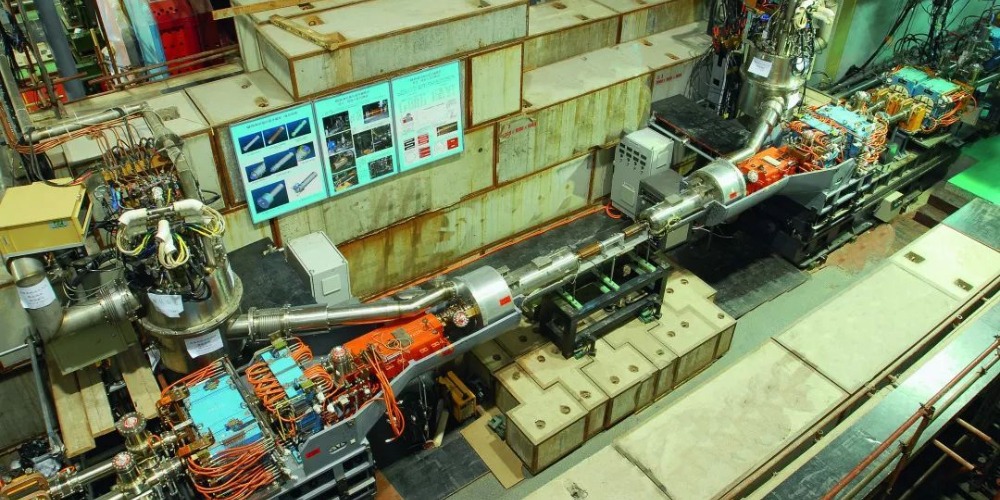
On 21 July, 1990, the Beijing Electron-Positron Collider project officially passed the national acceptance inspection.
This national key project, with an investment of 240 million RMB, was personally inaugurated by the Chinese leader Deng Xiaoping in 1984.
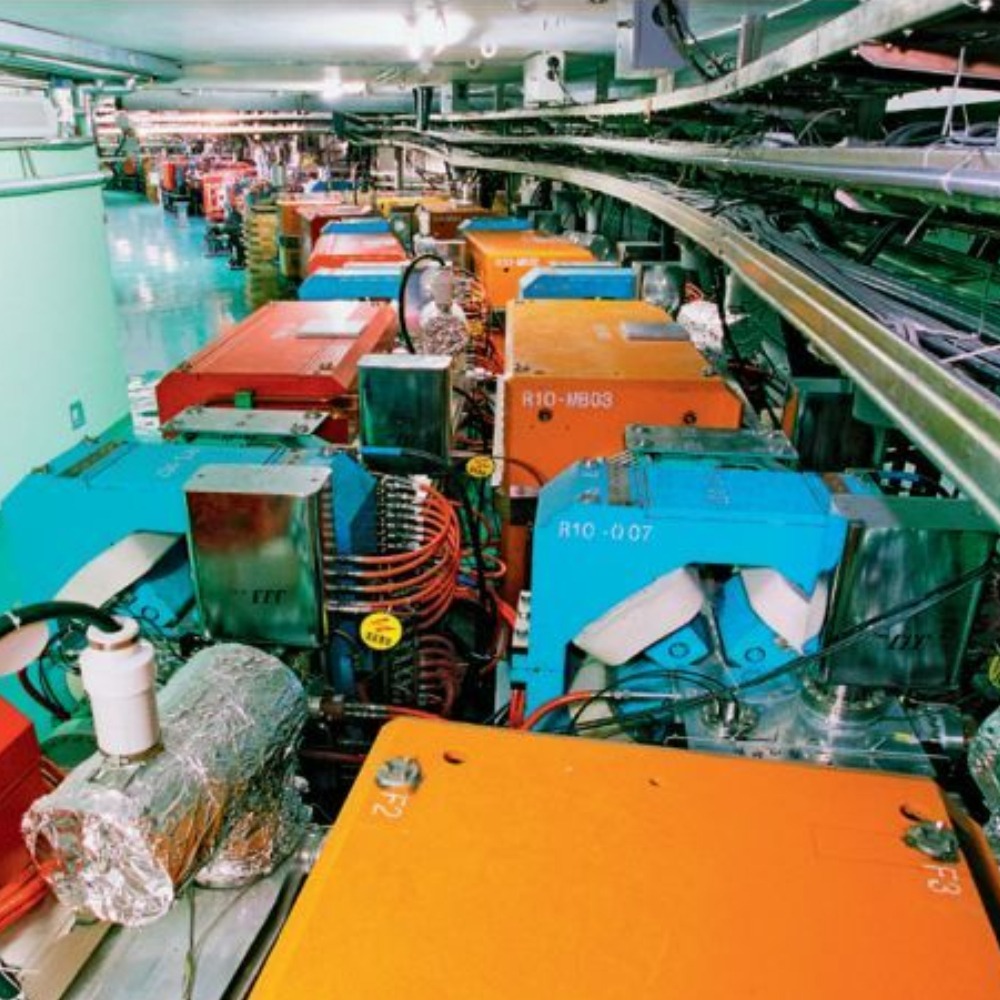
A electron-positron collider is a device capable of causing collisions between electrons and positrons.
It accelerates various particles (such as protons, electrons, etc.) to extremely high energies, and then directs the particles to strike a fixed target.
By studying the various reactions that occur when high-energy particles collide with particles in the target, researchers can understand the nature of these reactions and discover new particles and phenomena.
China began constructing the electron-positron collider in Beijing in 1984, and after four years of design, construction, and testing, it officially began operation.
The Beijing Electron-Positron Collider can produce energies of 2.8 billion electron volts. This was carefully considered based on China's national conditions at the time.
On the one hand, due to China's economic situation at the time, there was not enough money to build a higher energy collider; on the other hand, there was no collider with this energy range in the world, so the Chinese collider could fill this gap and carry out research that other countries had not yet or seldom conducted.
The world-renowned physicist, Dr. Tsung-Dao Lee (李政道), a Chinese American, once pointed out that the engineering speed, the quality of various equipment and components, and the level of installation and debugging of the Beijing Electron-Positron Collider are all world-class.